Ceremony advice
Writing Personal Vows
Kesha Dionne · Aug 25 · 6 min read
Updated: 4 days ago
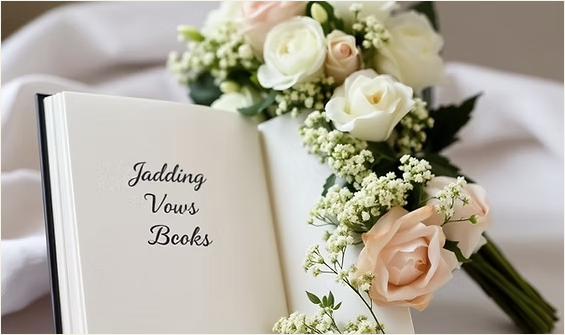
Writing personal vows sounds romantic—until you sit down to do it.
Suddenly, you are expected to put years of love, laughter, growth, private jokes, hard seasons, and everyday life into a few meaningful paragraphs. No pressure, right?
Take a breath.
You do not have to become a poet. You do not need to deliver the greatest speech anyone at your wedding has ever heard. And you definitely do not need to compete with your partner to see who can make the most people cry.
Personal vows are simply your chance to speak directly to the person you are choosing and tell them what you mean to carry into your marriage.
The goal is not perfection. The goal is honesty, intention, and promises you are ready to live.
Start with notes, not vows
One of the easiest ways to get stuck is to expect the first sentence you write to be the opening line of your finished vows.
Do not start there.
Open a notebook, a blank document, or the notes app on your phone and write down whatever comes to mind. It does not need to be organized or beautiful yet.
Start with questions like:
What do I love most about the way my partner moves through life?
When did I realize this relationship was different?
What has my partner taught me about love, commitment, or myself?
What ordinary part of our life together means more to me than they probably realize?
What have we made it through together?
What am I most excited to build with them?
What can I honestly promise them?
You are gathering the pieces first. You can shape them after you know what you actually want to say.
Speak to your partner—not the entire room
Your guests may hear your vows, but the words are for the person standing across from you.
That distinction matters.
When you write for the room, it is easy to start performing. You reach for bigger words, extra jokes, or lines you think will get a reaction. When you write to your partner, the words become more personal and grounded.
Picture their face. Think about how you speak when it is just the two of you. Let that guide the tone.
Your vows can be romantic, funny, tender, straightforward, or a mix of all four. They just need to come from a place your partner will recognize.
Give us something specific
You do not need to tell your entire relationship history. One well-chosen detail can say more than a long timeline ever could.
Maybe it is the way your partner always checks that you made it home. Maybe it is how they can make you laugh when you are determined to stay irritated. Maybe it is the moment they quietly stepped up during a difficult season and showed you exactly who they were.
Choose a memory, habit, or quality that reveals something real about your relationship. Then explain why it matters to you.
Instead of only saying:
You are always there for me.
You might say:
You know when I need an answer, when I need a plan, and when I just need you to sit beside me until I can find my way through it.
Specific details are what turn a nice statement into something personal.
Remember the promise part
It is easy to spend so much time telling the story that the actual vows get lost.
Your vows should include promises—not only compliments, memories, or everything you love about your partner.
Think beyond broad statements such as “I promise to love you forever.” That promise can absolutely stay, but give it some company. What will loving this person look like in the life you are building together?
You might promise to:
Keep communicating, even when the conversation is difficult
Protect time for the two of you
Support the dreams your partner is still growing into
Make decisions as a team
Keep laughter in your home
Be honest, patient, and willing to repair
Choose the relationship through change
Show up for the ordinary days, not only the exciting ones
Choose promises that are meaningful to your relationship and realistic enough to keep.
“I promise to never annoy you” may get a laugh, but we both know that promise is not making it through the honeymoon.
Use a simple structure
If you have plenty to say but do not know how to arrange it, use this five-part structure:
1. Begin with what this moment means
Say what it means to be standing there with your partner or what you want them to know before anything else.
2. Share one meaningful detail
Choose a memory, quality, or part of everyday life that captures something important about your relationship.
3. Say what your partner has brought into your life
Talk about how you have grown, what you have learned, or what being loved by this person has shown you.
4. Make your promises
Include a few promises that reflect the kind of partner you intend to be.
5. End by looking forward
Close with the life, home, family, adventures, or ordinary days you are excited to share.
That is enough structure to keep you focused without making every couple’s vows sound the same.
Yes, your vows can be funny
Humor belongs in personal vows when humor belongs in your relationship.
The best funny lines come from affection and truth. A familiar habit, a shared joke your guests can follow, or a playful promise can give everyone a breath between the emotional moments.
Just remember: this is a wedding ceremony, not a roast.
Avoid jokes that embarrass your partner, expose something private, bring up an ex, or make your relationship sound like one long complaint. If the line could leave your partner wondering whether they are supposed to laugh, leave it out.
The laugh should bring the two of you closer—not put one of you on the spot.
Agree on the guardrails
You can keep your vows a surprise and still make sure they belong in the same ceremony.
Before you begin writing, agree on a few basics:
About how long will the vows be?
Will they be mostly heartfelt, lighthearted, or a mix?
Are there any private topics that should stay private?
Will you both include personal promises?
Will you read from vow books, cards, or paper?
This is not about matching each other word for word. It simply prevents one person from arriving with a short, playful paragraph while the other unfolds six pages and begins at the first date.
If you want to keep every word private from each other, your officiant can review both sets separately and let you know whether the length and tone are balanced.
Know what to leave out
Not every meaningful part of your relationship belongs in the ceremony.
Consider leaving out:
A complete recap of every relationship milestone
Details your partner would not want shared publicly
Old arguments that have not been fully resolved
Comparisons to past relationships
Too many inside jokes that leave everyone else confused
Promises no human being can realistically keep
Language you would never naturally say aloud
Personal does not have to mean private. You can be open and sincere without handing the entire room every chapter of your relationship.
Read them out loud
Vows live differently on the page than they do in your mouth.
Once you have a draft, read it aloud. You will immediately hear where a sentence is too long, where the wording feels stiff, or where you need a pause.
As you practice:
Cut anything that sounds more formal than you intended
Replace words you would never use in conversation
Mark places where you want to slow down or breathe
Time yourself so you know the approximate length
Print the final version or place it in a vow book
Practice enough that the words feel familiar, but do not pressure yourself to memorize them. Looking down at the page does not make the moment less meaningful. It means you came prepared to say what you wanted to say.
And if your voice shakes, you cry, or you lose your place for a second? That is not a mistake. That is the moment being real.
Your vows do not have to impress anyone
The strongest vows are not always the longest, the funniest, or the most poetic.
They are the ones that make your partner think, “Yes. That is us.”
So begin with the truth. Add the details only the two of you could share. Make promises you are prepared to carry beyond the ceremony. Then say the words to the person who brought you there.
That is what makes personal vows personal.